If you’ve ever Googled “How many hours of wedding photography do I need?” and immediately felt your brain melt… same, bestie. Every photographer seems to recommend something different, every wedding timeline looks wildly unique, and suddenly you’re wondering:
Do I really need 10 hours?
Is 6 hours enough?
What even happens during those hours?
Deep breath. Sip the coffee. Let’s break it down.
This guide is here to help you figure out exactly how much coverage fits:
• your wedding day
• your priorities
• your vibe
No overwhelm. No scare tactics. No “BUT WHAT IF YOU MISS EVERYTHING?” drama.
Just real talk.
⭐ Quick Answer (Because You’re Busy)
Here’s the fastest rule of thumb:
• 6 hours → small weddings, single location, no elaborate reception
• 8 hours → MOST weddings, perfect balance, full day without extras
• 10–12 hours → big weddings, multiple locations, long party, cultural events
Now let’s dig into what each one actually covers — because the details matter.
🎯 The First Question to Ask Yourself
Before you think about numbers, ask yourself what parts of your wedding day matter most to you in photos. Some couples value the quiet emotional moments during getting ready, others care most about the ceremony and time with family, while some are all about golden-hour portraits and a packed dance floor. Your priorities are the backbone of your timeline — and the coverage should support them instead of squeezing everything into a rushed schedule.
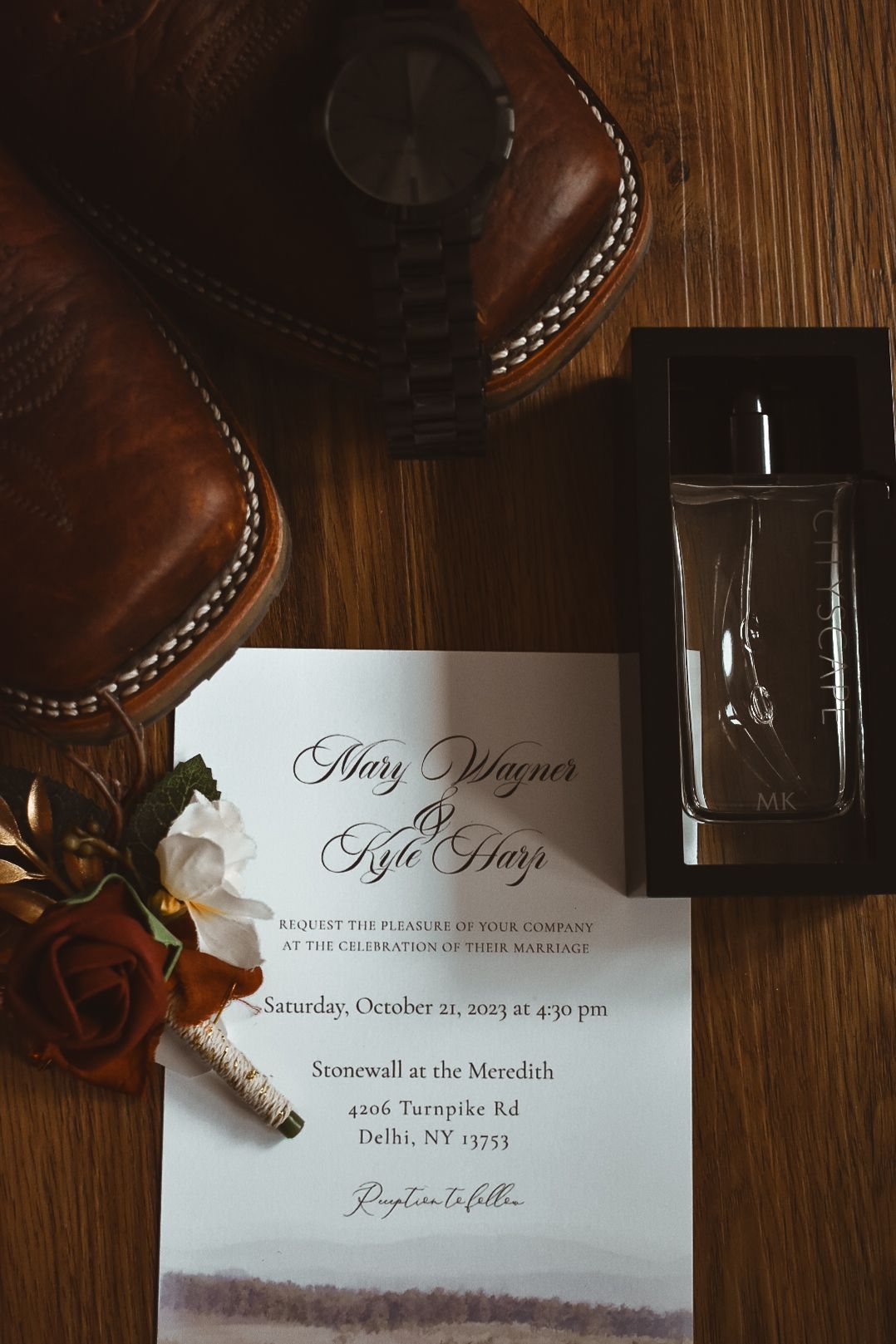
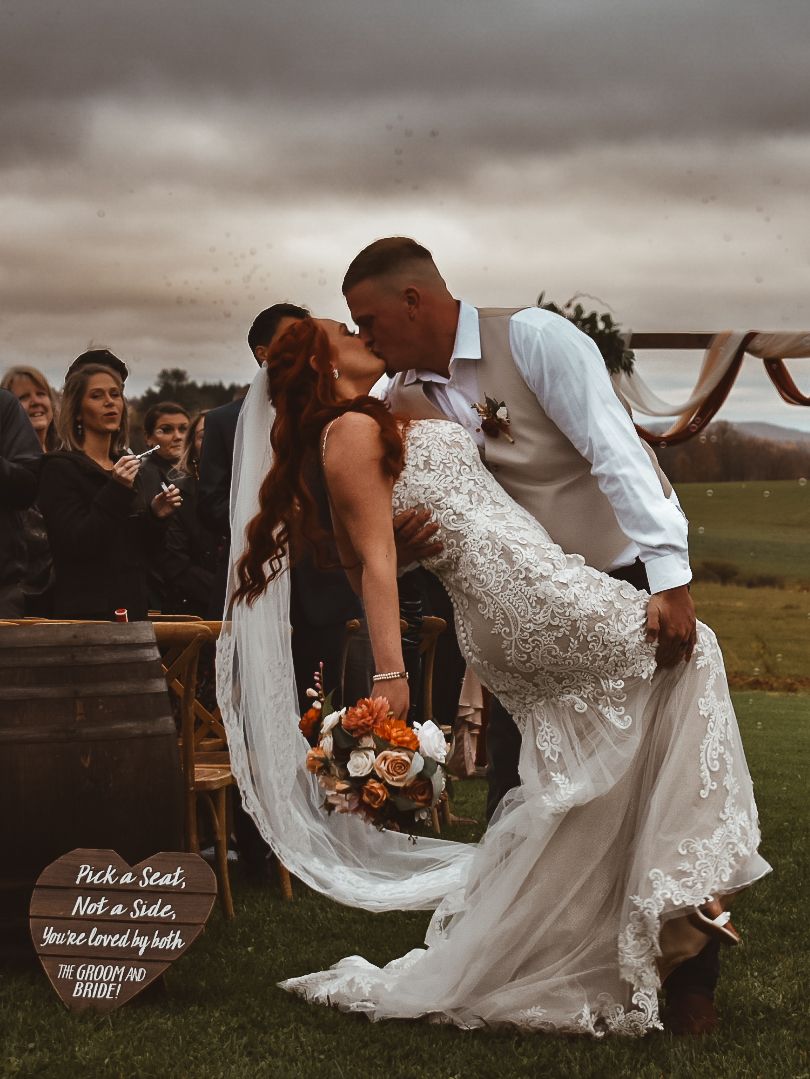
6 Hours of Wedding Photography — When It Works (And When It Feels Tight)
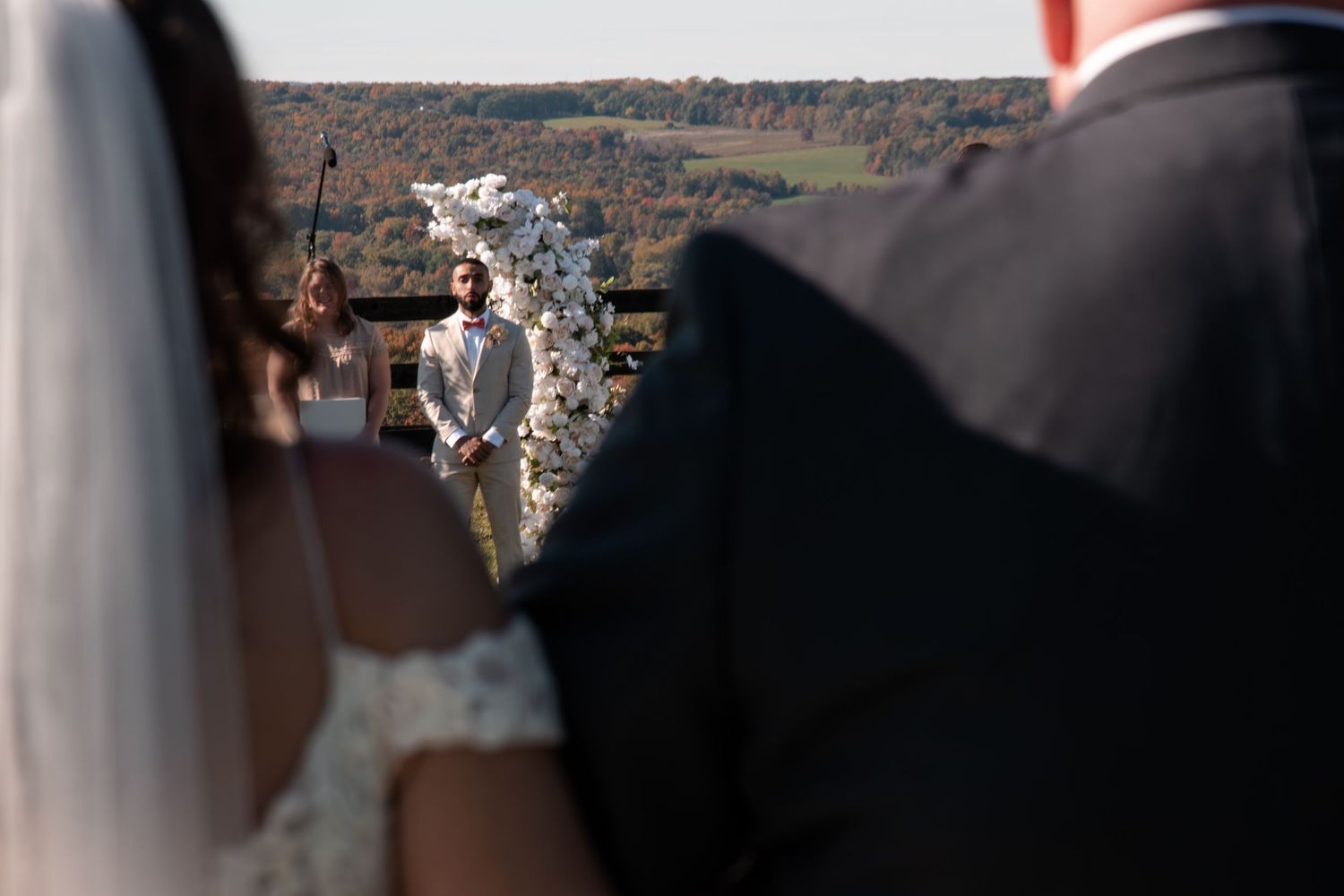
Six hours of coverage can be a great fit for smaller weddings, intimate celebrations, or days that take place entirely at one location with very little travel or transition time. It usually allows for the ceremony, family portraits, couple photos, wedding party portraits, and the beginning portion of the reception including key events like entrances, speeches, or first dances. It captures the essential story of the day without extra fluff.
However, six hours often does not leave enough room for things like getting ready photos, letter exchanges, gift giving, or relaxed coverage of the full reception. If your timeline includes travel between locations, a large wedding party, or plans for a full evening of dancing, six hours can start to feel compressed very quickly. Nothing about your wedding day should feel like a sprint — and sometimes a little extra time makes a world of difference.
8 Hours of Wedding Photography — The Sweet Spot for Most Couples
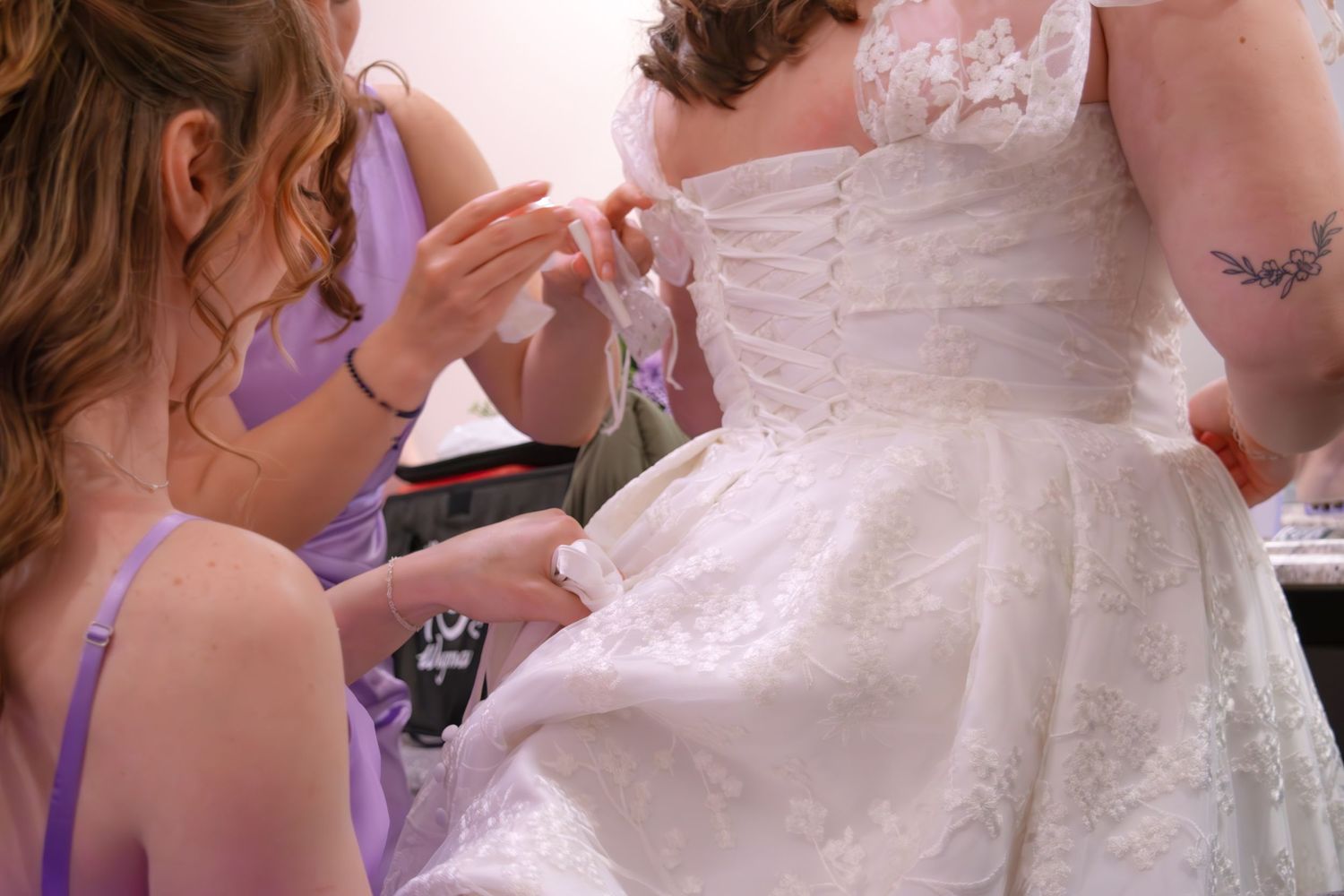
Eight hours tends to be the “Goldilocks” level of coverage — not too little, not too much, just right for the majority of wedding timelines. With eight hours, there is usually enough time to document getting ready moments and final details, whether that means champagne with your best friends, buttoning dresses, or finishing touches on hair and makeup. It also comfortably allows space for either a first look or pre-ceremony portraits, followed by the ceremony itself, family photos, wedding party photos, couple portraits, and the key reception moments with a good window of dancing and candid celebration.
The biggest benefit of eight hours is that the day has room to breathe. You’re not racing from moment to moment or squeezing portraits into tiny time slots. Instead, the timeline unfolds naturally and you’re able to be present instead of feeling like you’re constantly watching the clock. If a couple is unsure how much coverage they need, eight hours is almost always the safest — and most stress-free — starting point.
10–12 Hours of Wedding Photography — For All-Day Celebrations
Some wedding days simply need more coverage, and that’s not “extra” — it’s realistic. Ten to twelve hours tends to be the best fit for larger weddings, celebrations across multiple locations, cultural or religious events that include additional ceremonies, or receptions that run late into the night. Longer coverage allows for slow, meaningful storytelling, genuine candid moments with family and friends, and a full arc of the day from the first cup of coffee in the morning to late-night dance floor chaos in the best possible way.
With extended coverage, nothing has to be rushed or cut short. There’s time for emotional moments, travel transitions, outfit changes, sunset portraits, and the full reception atmosphere — not just the highlight reel. It’s the right choice for couples who truly want their entire day documented rather than just select portions of it.
🚗 Why Travel Time Matters More Than People Expect
If your wedding day includes multiple locations — like getting ready at a hotel, a ceremony at a church, and a reception at a separate venue — it’s important to remember that travel time counts toward your photography coverage. While we may not be photographing during every second of the drive, we’re still relocating equipment, parking, scouting light, and preparing for the next part of the day.
Those transitions add up, and they play a big role in how comfortably your schedule flows. When multiple locations are involved, adding at least an extra hour of coverage often keeps the day running smoothly instead of rushed.
🌅 The Most Commonly Forgotten Factor: Sunset Portraits
One of the most beautiful — and most overlooked — parts of a wedding day is sunset or golden-hour portraits. The light is softer, warmer, and incredibly flattering, which makes this time one of the best opportunities for romantic, magazine-worthy images. If your ceremony lands close to sunset, your timeline may need extra coverage to ensure portrait time still fits afterward.
Many couples end up extending coverage for exactly this reason — and it’s one of those decisions that almost always feels worth it when they see their final images.
💬 So… How Many Hours Do You Need?
The truth is that there isn’t a one-size-fits-all answer, because every wedding day is different. The best way to find your perfect coverage is to look at your venue locations, ceremony time, whether you want getting-ready photos, how much of the reception matters to you, and whether you’re planning a first look or saving everything for after the ceremony.
When I work with couples, I build a sample timeline around their actual plans — not a generic internet chart — and then recommend the coverage that fits the flow of their day. The goal isn’t just to photograph your wedding, but to create a timeline that feels natural, intentional, and stress-free from start to finish.
☕ Want Help Deciding Your Coverage?
If you’re torn between six, eight, or ten hours, we are always happy to walk through your plans with you, talk through what your day will realistically look like, and make a recommendation based on your priorities — not pressure or upselling. We’ll map out your timeline, make sure the day has breathing room, and choose a coverage option that lets your story unfold comfortably and authentically.
💡 Our Honest Photographer Recommendation
After photographing countless weddings (fueled by espresso and pure chaos-management energy), here’s our real-world advice when it comes to choosing coverage:
You don’t need us there at 7:00 AM while the first bridesmaid is getting curls pinned in. Hair and makeup for the wedding party is usually a lot of repeating the same process — and while we love your people, those photos don’t add much to your final gallery. The magic really starts when the bride is in the chair, finishing touches are happening, the nerves are setting in, and the emotions start bubbling up. That’s when the story begins — and that’s the moment we want to capture.
On the other end of the day… we’ll say it louder for the brides in the back:
👉 You can’t hear the music in your reception photos.
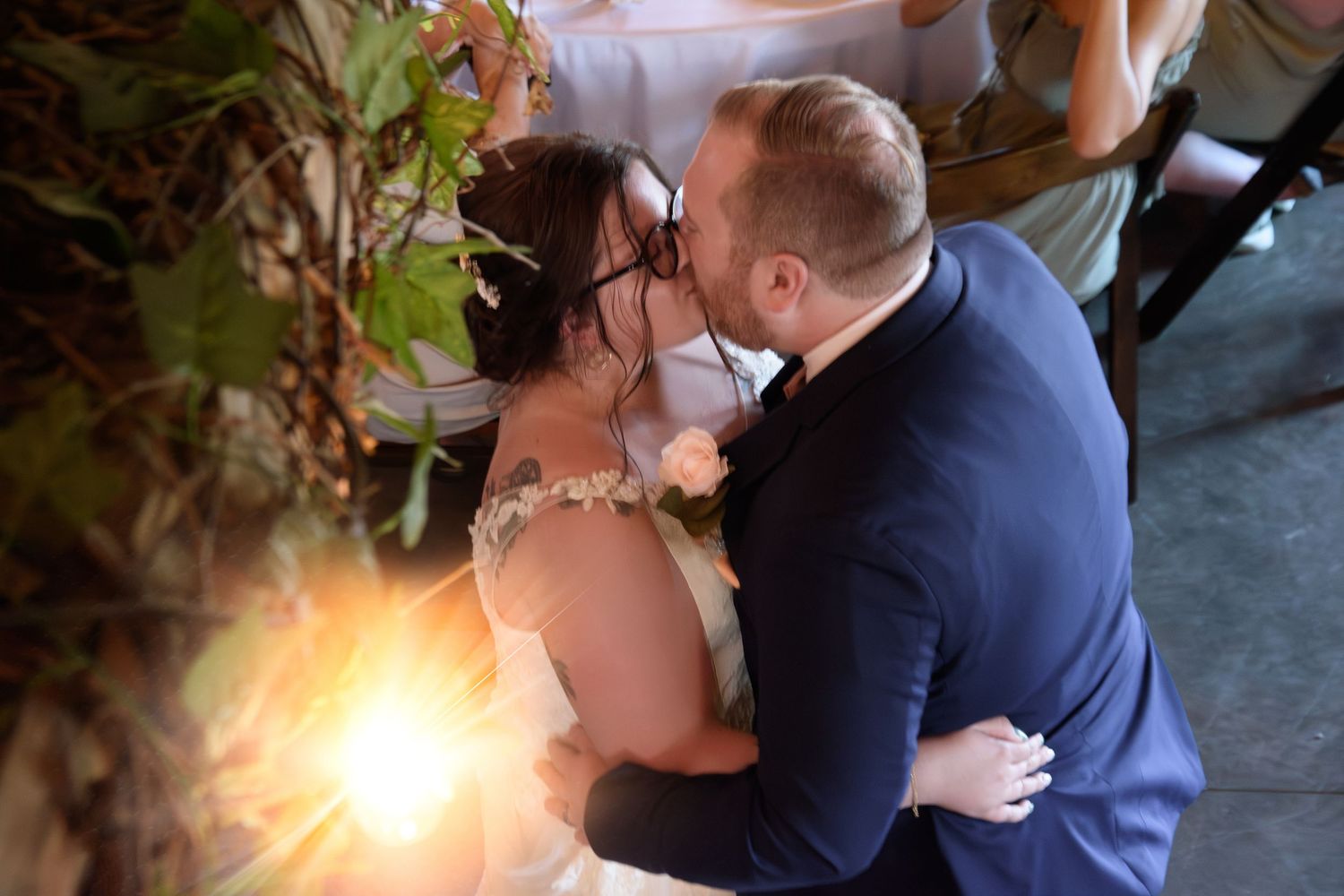
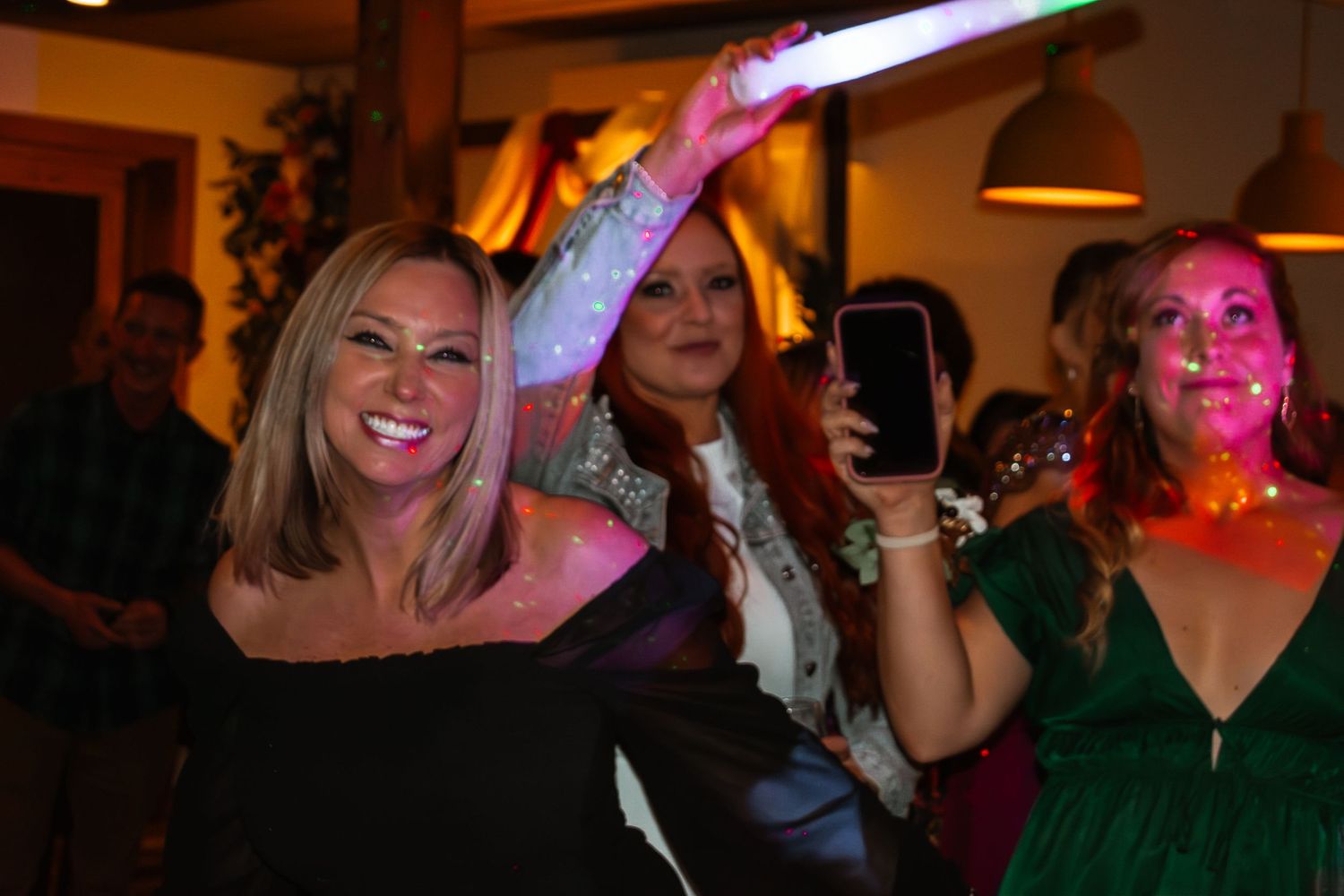
Once the formalities are done and the open dance floor turns into “everyone sweating, screaming-singing 2000s throwbacks,” the photos start to look pretty similar — just different people, same DJ lights. We absolutely make sure to capture entrances, speeches, first dances, cake, and a good chunk of party energy… but staying until the very last song usually doesn’t add meaningful variety to your gallery.
Most couples are happiest with coverage that focuses on:
• the emotional build-up
• the big moments
• the in-between memories
• the real story of the day
—not the endless repetition of hair prep or four hours of reception dancing.
So our personal recommendation? Prioritize coverage where your memories actually live — the moments that make your day meaningful, emotional, and authentically YOU. That’s where the storytelling happens. That’s where the magic is. And that’s exactly where we’ll be — cameras in hand, coffee in our veins, and fully ready to document every intentional, unforgettable part of your day. ☕✨
Get in touch
Get to know us and all your options!