Okay bestie, let’s talk about one of the most confusing parts of wedding planning: photography coverage time.
You’ll hear everything from “four hours is fine” to “book sunrise to sparkler exit or you’ll regret it forever.” Deep breath. Neither extreme is universally true.
The real answer? It depends on your timeline, your priorities, and how you want your day to feel when you look back at it.
I’ve photographed weddings that flowed like a dream in six to eight hours. I’ve also worked days that truly needed more time. And I’ve absolutely seen couples pay for extra hours that turned into… expensive waiting around.
More hours does not automatically mean better memories.
Intentional coverage is the goal.
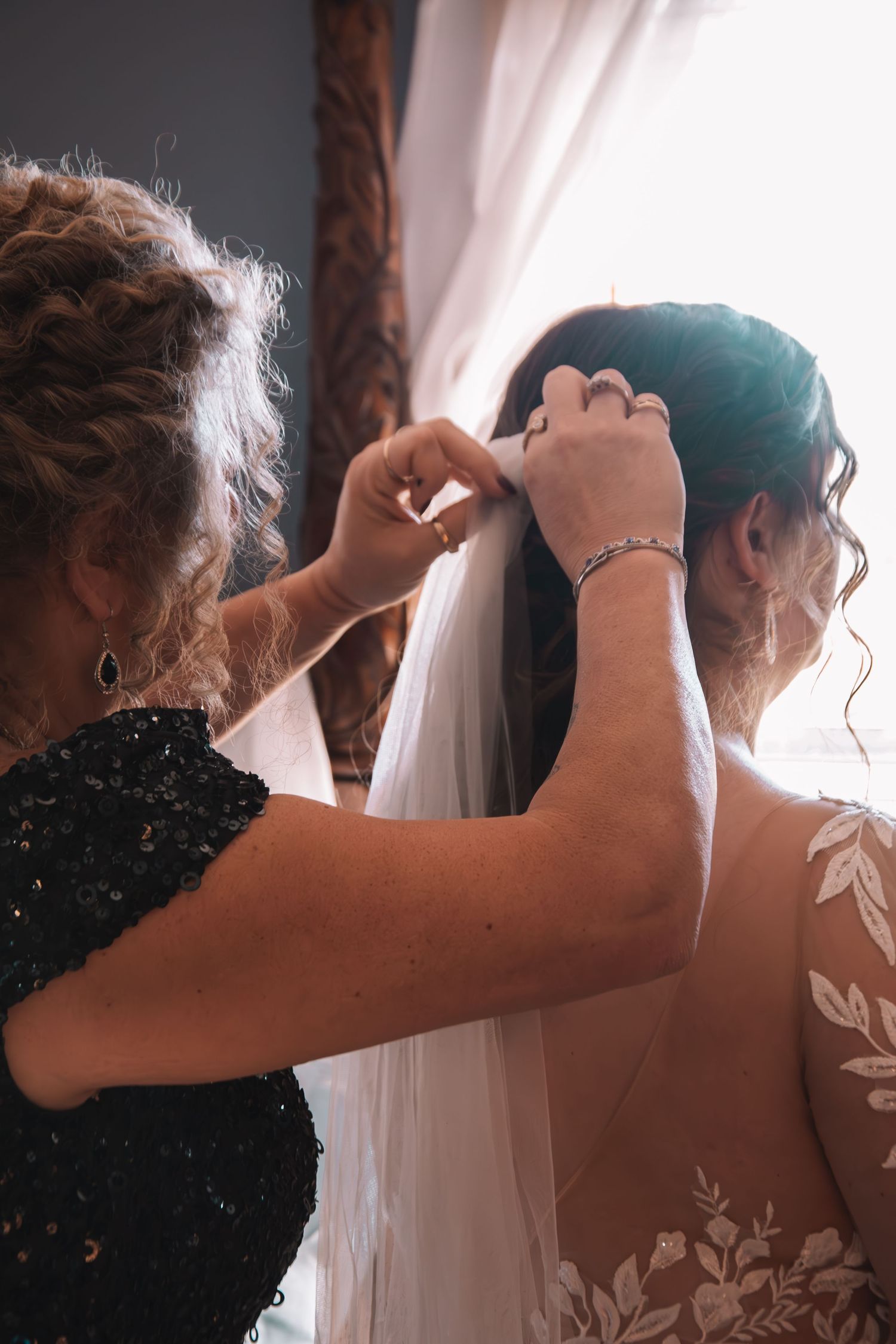
The Reality of Getting Ready Photos
Let’s start with the morning, because Pinterest has people thinking we’re photographing cinematic magic for six straight hours.
In real life? The truly photo‑heavy portion starts once hair and makeup are finished.
That’s when everyone finally feels hot, polished, and camera‑ready.
Makeup done means under‑eye darkness is softened, skin looks even, blemishes are covered, and hair is fully styled. People feel confident. Energy shifts. The room looks better. The photos look better.
This is prime time for the cute stuff: matching jammies, coordinated robes, champagne pops, goofy group shots, soft candids, big laughs. The moments you’ll actually want framed.
Before that, the vibe is very different. Curling irons everywhere. Half‑done hair. Makeup chairs in a row. People scrolling, snacking, waiting their turn. It’s not bad — it’s just transitional and visually chaotic.
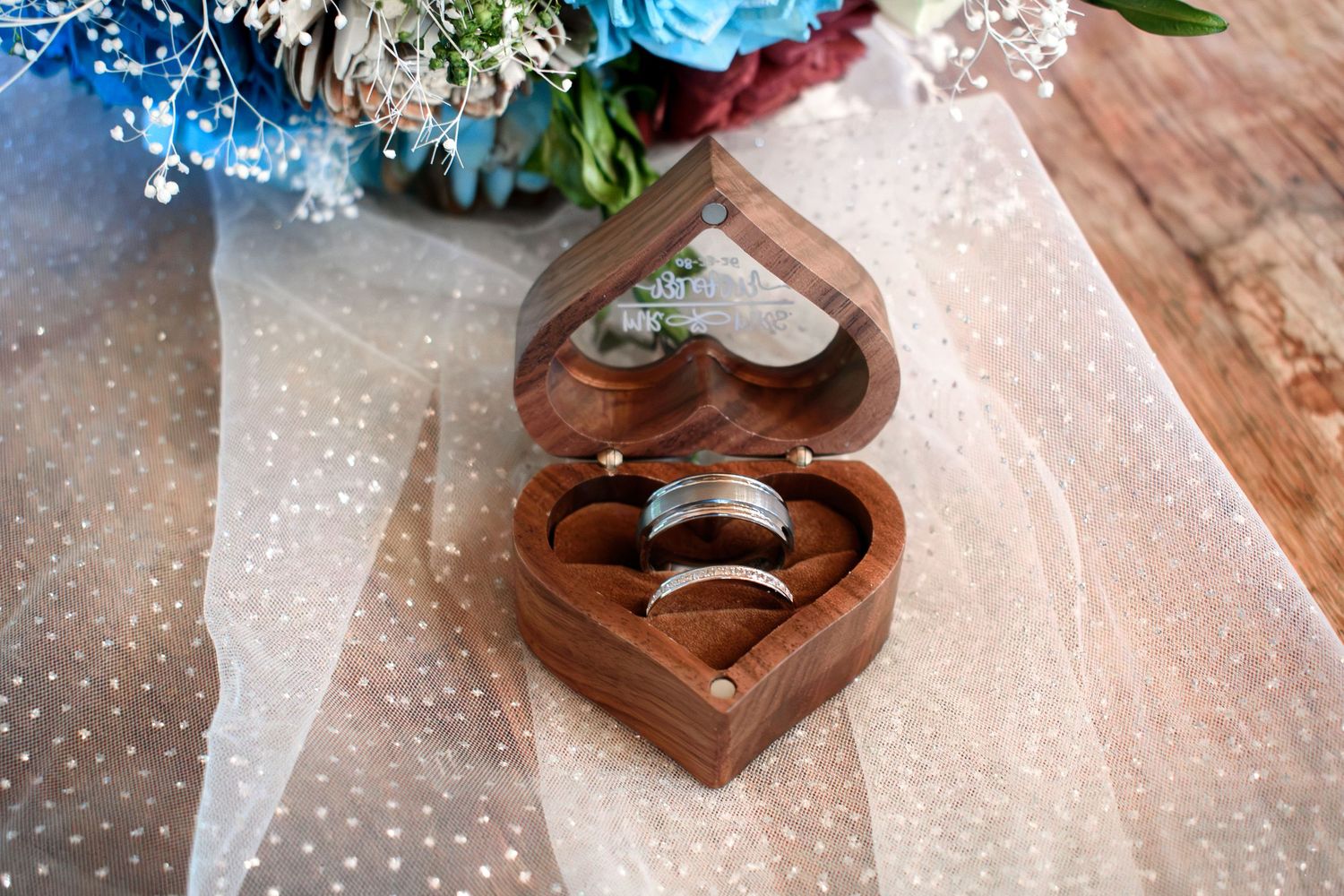
That early window is still useful, just quieter. It’s perfect for detail flat lays, styling invitations and rings, photographing the dress and accessories, grabbing room shots, and easing into the day without rushing.
But the storytelling really kicks in once makeup is complete, outfits go on, the bride steps into the dress, and the emotional moments start happening naturally.
So no — most couples don’t need endless prep coverage unless something meaningful is happening all morning.
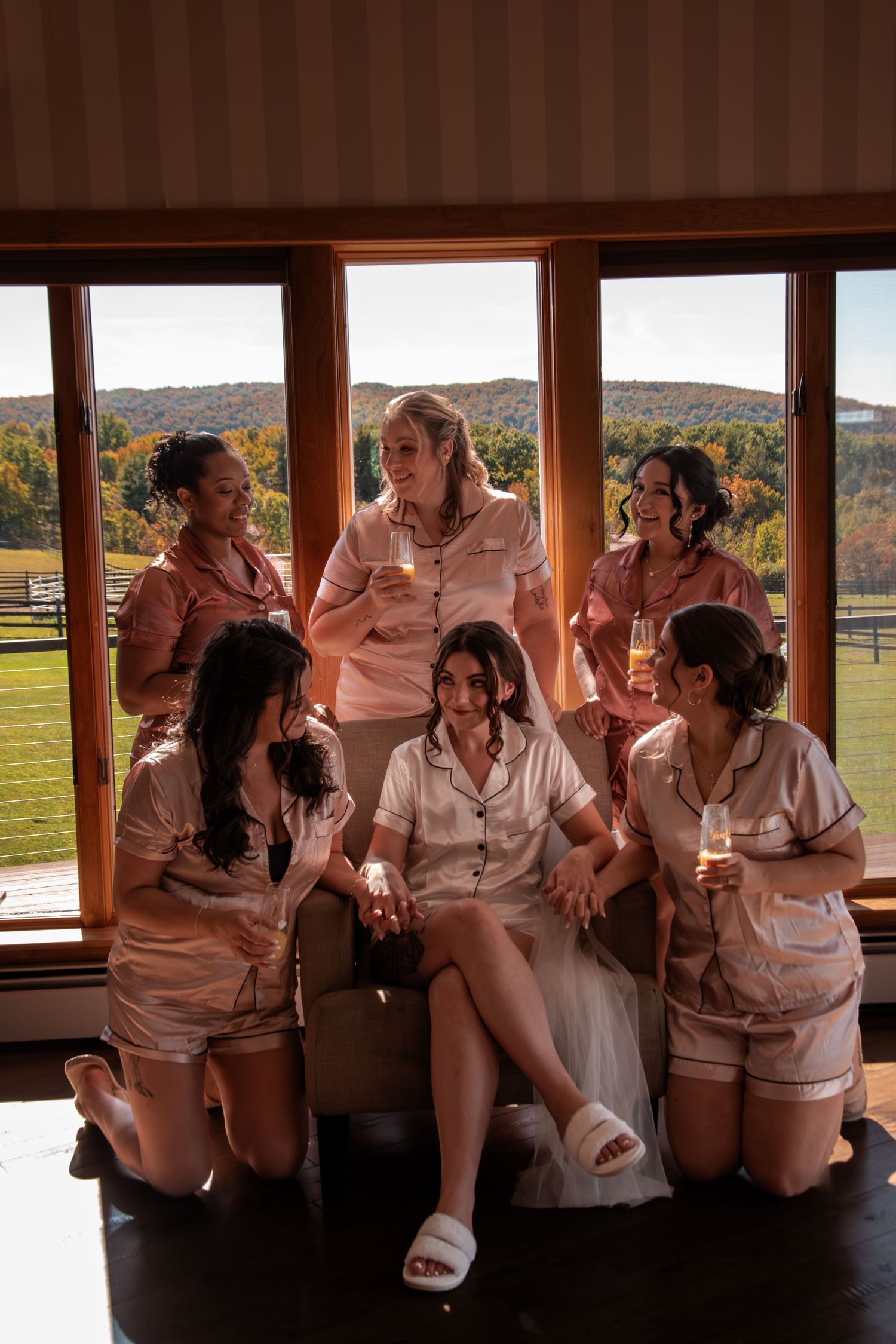
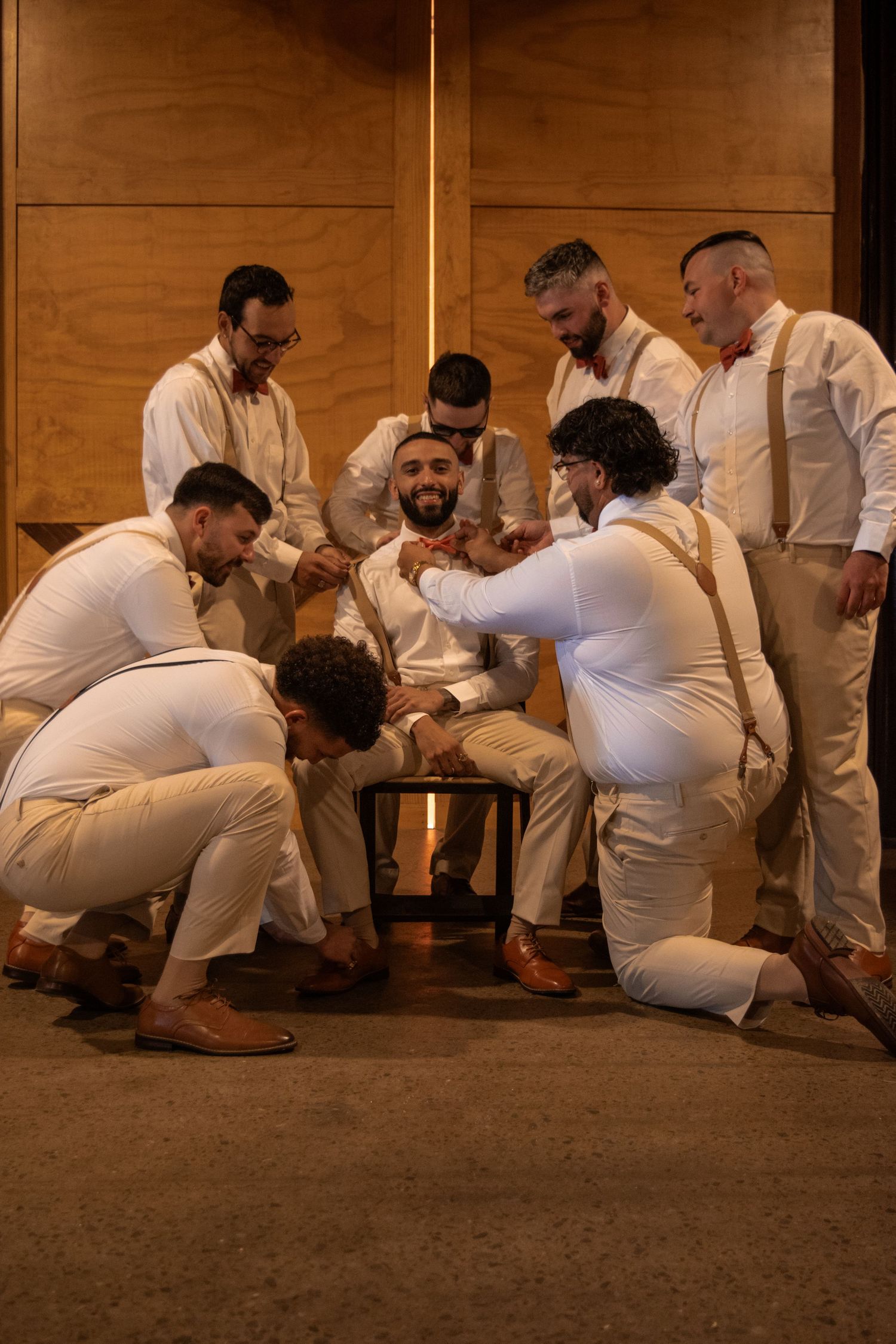
Big Bridal Parties = Longer Prep (But Not More Photos)
Here’s something couples massively underestimate: bridal party size changes everything.
More people means more glam rotations, more waiting for mirrors and outlets, more schedule traffic jams, and more coordination before everyone is actually photo‑ready.
I’ve shot weddings where we arrived at 6:00 AM for a 2:00 PM ceremony because a large group needed hair and makeup time.
And I’m gonna say the quiet part out loud:
A lot of that time isn’t photo time.
When beauty services run in shifts, there are long stretches where key people aren’t ready, the bride is mid‑process, and the room is too crowded for clean images. There’s no real story happening yet.
Sometimes that block turns into genuine downtime — organizing gear, backing up cards, scouting light… and yes, occasionally a quick power nap in a chair while we wait for the glow‑up phase.
That doesn’t mean starting early is wrong. It just means more hours doesn’t automatically equal more meaningful images.
Smarter fixes? Add another hair and makeup artist. Start photography closer to when the bride is nearly ready. Stagger coverage. Focus on details and key moments instead of paying for idle time.
The goal is intention. Not a 10‑hour invoice for 6 hours of real moments.
What a Wedding Day Actually Looks Like (Photography‑Wise)
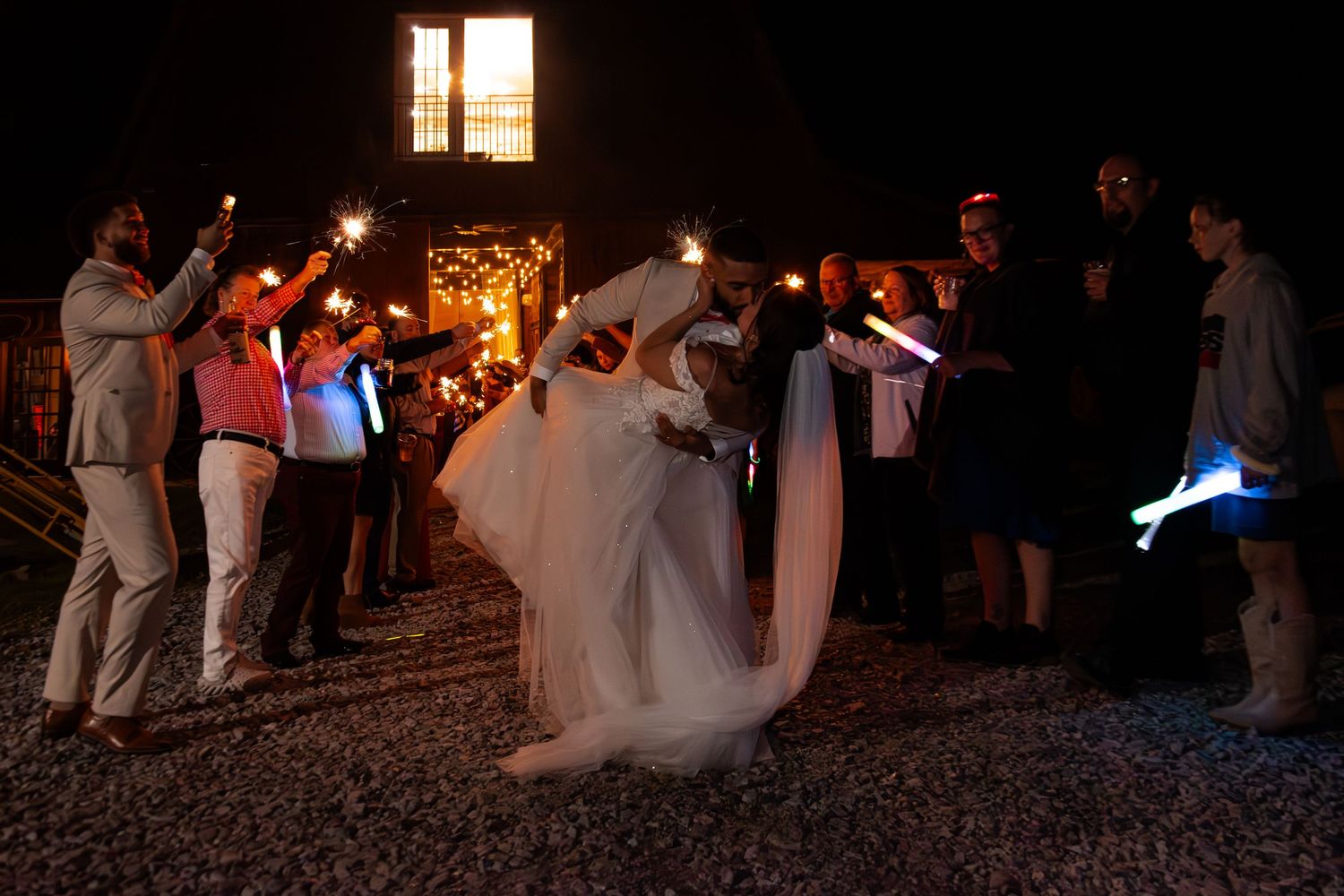
Most wedding days follow a natural rhythm. Getting ready and details usually take one to two hours once people are photo‑ready and personal items are styled. If you’re doing a first look, you’ll want about thirty to sixty minutes to breathe, react, and take portraits without timeline pressure. Wedding party and family portraits typically land around an hour, depending on group size and how organized everyone is. Ceremonies often run about thirty minutes. Cocktail hour flows right after, giving space for guest candids, décor photos, and golden‑hour couple portraits. Reception coverage usually spans two to three hours and includes entrances, first dances, parent dances, toasts, cake cutting, and early dance floor fun. Add it all up and most weddings land right around: Six to eight hours of meaningful coverage.
That’s the sweet spot for a reason.The Truth About Late‑Night Coverage
Okay. Honest moment.
After a certain point, reception photos hit diminishing returns.
Cameras can’t hear the music. They can’t feel the bass. Dance floor shots start looking the same. Guests get sweaty. Outfits shift. Alcohol changes the vibe. And not everyone wants a camera in their face at midnight. Most albums don’t include hour three of dancing, ultra‑drunk moments, or the nearly empty floor at the very end. You can book that coverage. Just know the storytelling value drops while the cost keeps climbing.
When You Truly Need More Than Eight Hours
Sometimes, extra coverage is absolutely worth it.
If you have multiple locations, a huge guest count, long travel time, cultural or religious traditions, no first look, elaborate reception plans, outfit changes, performances, or a grand exit you care deeply about — more time makes sense.
Full documentary storytelling from morning to send‑off? Also valid.
Just make sure you’re adding hours for real moments, not filler time.
The Better Question to Ask
Instead of asking, “How many hours should I book?”
Ask: “What parts of my day matter most?”
If you care most about emotional moments, portraits with your people, ceremony memories, and key reception traditions, you probably don’t need all‑day coverage.
If you want every candid second, full cultural storytelling, peak party energy, and a dramatic exit — go longer.
The Bottom Line
More hours doesn’t automatically mean better memories.
A thoughtful timeline keeps you present, keeps your photographer creative, and gives you an album that tells a clear, beautiful story.
Coverage should fit your day — not exhaust it.
Get in touch
This is a paragraph. Click edit and enter your own text. You can make changes like making the text bold, underline or italic.