until you realize there are a hundred moving pieces, fifteen people asking questions, and somehow the day you spent months planning suddenly feels like it is moving at lightning speed.
One of the biggest surprises for couples is realizing just how quickly wedding days unfold. What feels like “plenty of time” on paper can disappear fast between getting ready, transportation, family photos, ceremony logistics, and simply soaking it all in.
The truth is, a well-planned wedding timeline is not about scheduling every second of your day or making things feel rigid. It is about creating enough breathing room so you can actually enjoy the moments you have been dreaming about.
Because trust us: the difference between a calm, joy-filled wedding day and a rushed, stressful one is often just a little intentional planning.
As wedding photographers, we have seen firsthand how timelines can shape the entire experience of your day. A few extra minutes in the right places can mean relaxed family photos, golden sunset portraits, and time to actually enjoy cocktail hour. On the flip side, underestimating how long things take can create stress that follows you from one part of the day to the next.
So let’s break it all down. From getting ready to your last dance, here is what a realistic wedding day timeline actually looks like and why every part of it matters.
Getting Ready: The Calm Before the Beautiful Chaos
**Recommended Time: 60 to 90+ Minutes (Plus Hair & Makeup Time)**
When couples picture their wedding day, they often imagine the ceremony, the first kiss, or the dance floor packed with loved ones. But some of the most emotional and meaningful moments actually happen long before anyone walks down the aisle.
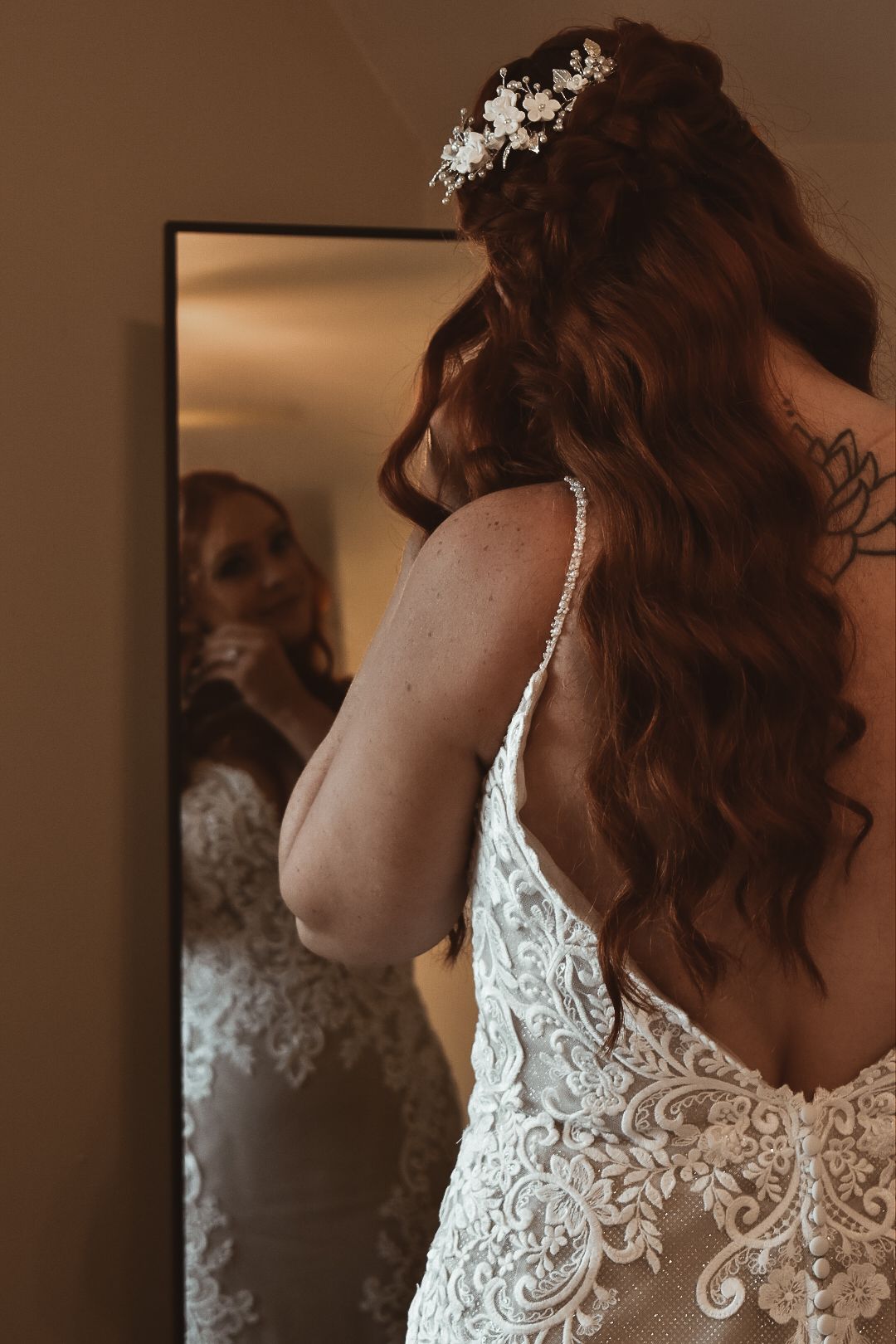
Getting ready is more than simply putting on a dress or buttoning a jacket. It is where the anticipation builds. It is your best friend helping with final touches, your parent seeing you dressed for the first time, nervous laughter, happy tears, handwritten letters, gifts, and all the quiet little moments that make the day feel real.
One of the biggest surprises for couples is realizing just how much time the wedding morning actually takes, especially when hair and makeup are involved.
Professional hair and makeup services are often one of the longest parts of the day before the ceremony even begins. While timing varies depending on your artist and style, most brides can expect hair and makeup to take anywhere from **90 minutes to 3 hours total**, especially when detailed styling, lashes, extensions, or touch-ups are involved.
For bridesmaids, mothers, and additional wedding party members, hair and makeup generally takes **30 to 60 minutes per service, per person**. That timing adds up quickly. A wedding party of six receiving both hair and makeup with one artist can turn into several hours of prep time before anyone is fully ready.
Because of this, we always recommend talking with your beauty team early about realistic timing and planning for a little extra breathing room. Wedding mornings almost always move faster than expected, and if hair and makeup runs behind, it often creates a domino effect that impacts portraits, family photos, and time spent simply enjoying the morning.
Once hair and makeup is complete, the getting ready portion of the day still takes longer than many couples expect. Dresses rarely zip in thirty seconds, boutonnières need pinning, ties need adjusting, and there is almost always one last-minute search for jewelry, shoes, or a missing cufflink.
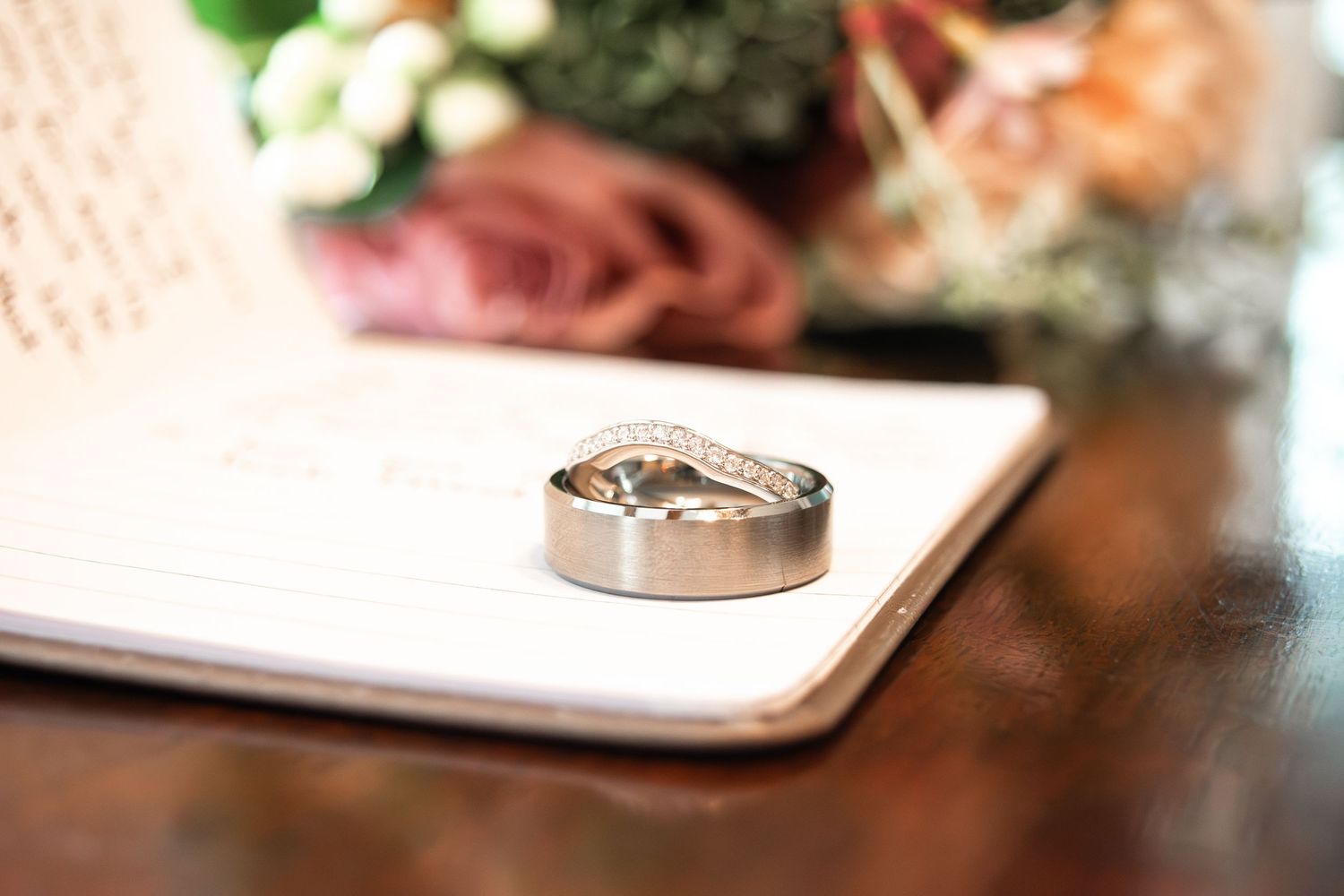
If you would like detail photographs of your dress, rings, invitations, shoes, perfume, jewelry, vow books, or sentimental heirlooms, having everything gathered in one place before photography coverage begins can make the morning feel much smoother.
Our biggest recommendation? Plan to be **fully finished with hair and makeup at least 30 to 45 minutes before you actually need to be dressed**. This creates space for touch-ups, emotional moments with loved ones, getting dressed without rushing, and those beautiful candid photographs that naturally happen before the day officially begins.
Most importantly, give yourself permission to slow down and enjoy this part of the day. The wedding morning only happens once, and some of the sweetest, most emotional photographs often happen in these quiet moments before the celebration begins.
First Looks: A Quiet Moment Before the Celebration Begins
**Recommended Time: 20 to 45 Minutes**
If there is one part of the wedding day timeline couples tend to debate the most, it is the first look.
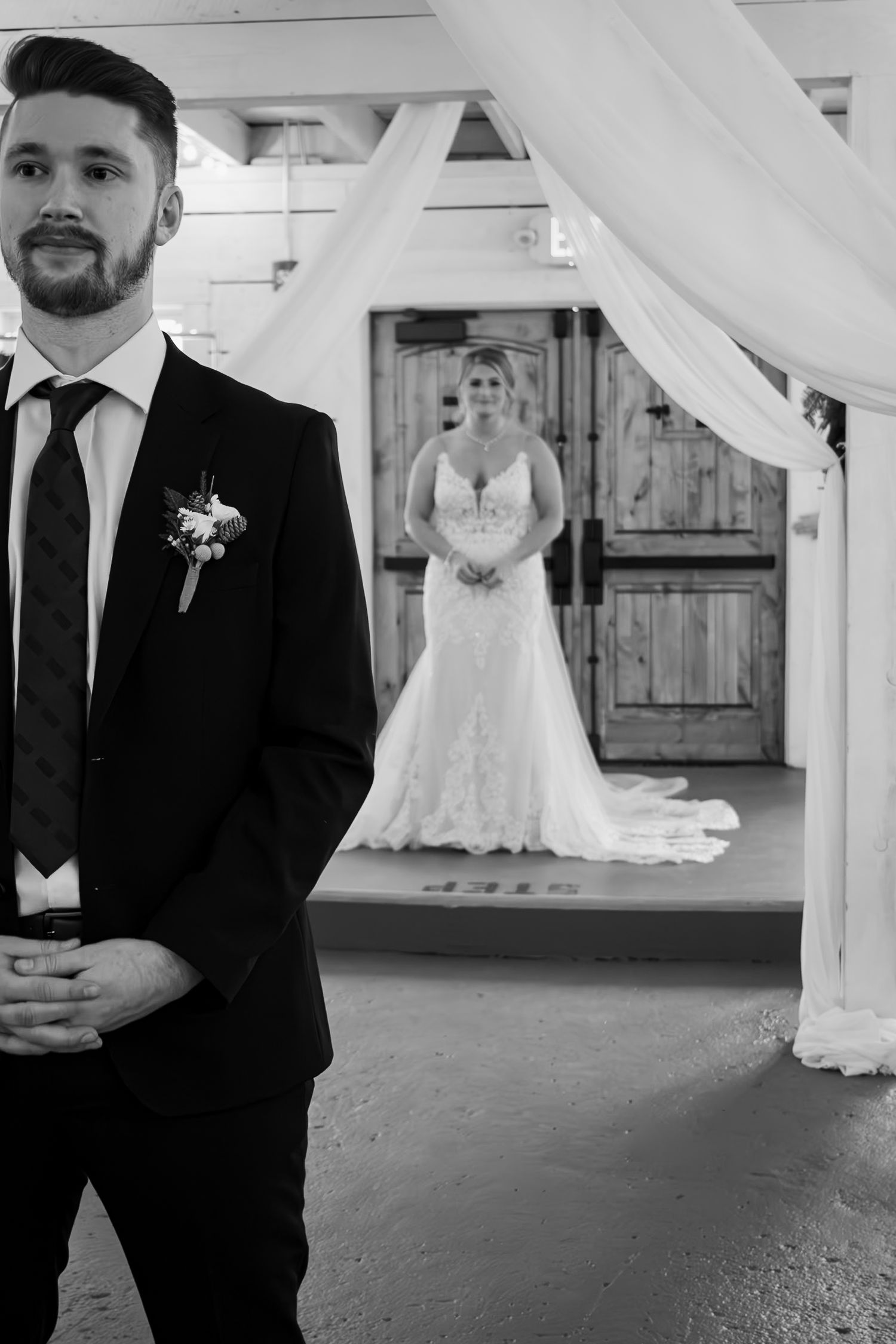
For those unfamiliar, a first look is a private moment before the ceremony where couples choose to see one another for the first time. Some couples absolutely love the idea, while others prefer to save that moment for the aisle. The good news? There is no wrong choice here. The best option is always the one that feels most meaningful to you.
That said, from a timeline perspective, first looks can create a lot of flexibility throughout the day.
A typical first look takes about **20 to 45 minutes**, depending on whether you choose to include portraits immediately afterward. While the actual moment itself may only last a few minutes, couples are often surprised by how emotional and grounding it can feel.
Wedding days move quickly. Between guests arriving, ceremony nerves, and excitement building throughout the morning, many couples find that having a quiet moment together before everything officially begins helps them slow down, reconnect, and actually soak in the day.
From a photography perspective, a first look also opens the door for more portraits earlier in the day. This can mean wedding party photos, couple portraits, or even some family formals are completed before the ceremony, allowing couples to spend more time enjoying cocktail hour afterward.
For couples who prefer to wait until the aisle, we simply recommend planning enough time after the ceremony to comfortably fit portraits, family formals, and wedding party photos without feeling rushed.
One thing we always remind couples: **whether you choose a first look or not, the goal is the same, creating a timeline that allows you to actually enjoy your wedding day instead of racing through it.**
And for couples who want a private moment without seeing one another beforehand, there are always alternatives. First touches, private letter exchanges, or standing back-to-back can still create meaningful moments without changing the tradition of seeing each other for the first time at the ceremony.
Wedding Party Photos: Why Group Size Matters More Than Couples Expect
**Recommended Time: 20 to 60+ Minutes**
Wedding party portraits are often some of the most fun photographs of the day. They are the laughing, cheering, champagne-popping, hype-your-besties kind of moments that bring so much personality into your gallery.
But when planning a timeline, this is also one of the areas couples tend to underestimate most.
The truth is, wedding party photos can move quickly with a smaller group, but larger wedding parties naturally require more time. Not because anything is going wrong, but simply because more people means more moving pieces.
For smaller wedding parties, typically **one to four people on each side**, portraits often take around **20 to 30 minutes** depending on the location, travel time, and how many groupings you would like photographed.
Larger wedding parties, especially those with **five or more people per side**, often benefit from planning closer to **30 to 60 minutes or more**. Once you begin coordinating ten, twelve, or even sixteen people in formalwear, timing shifts quickly.
There are simply more combinations to photograph, more movement between poses, and naturally, more moments where someone steps away for the restroom, fixes a boutonnière, adjusts a dress, or briefly disappears in search of a snack.
Wedding party photos also include more than many couples initially expect. In addition to full group photographs, many couples love having images with individual bridesmaids and groomsmen, smaller groupings, fun candid moments, and portraits that highlight friendships and personalities.
Another factor worth considering is travel time. If portraits are taking place somewhere separate from your ceremony or reception venue, it is important to account for transportation, parking, walking time, and the natural pauses that happen when moving a large group from one location to another.
Our biggest recommendation? Give yourselves a little extra breathing room here whenever possible.
A relaxed timeline almost always leads to better photographs. When wedding party portraits are not rushed, there is more time for genuine moments, natural interactions, and those fun in-between memories that often become favorite images later.
Because trust us, getting twelve excited humans organized in formalwear is absolutely possible… it just tends to take a little more time than most people expect.
Ceremony Timing: The Moment Everything Finally Feels Real
**Recommended Time: 15 to 90+ Minutes**
Your ceremony is the heart of your wedding day. It is the moment the anticipation settles in, the music begins, and everything suddenly feels real.
When couples first begin building their timeline, one of the biggest questions is often: *How long should we plan for the ceremony?*
The answer depends entirely on the type of ceremony you are having.
For shorter civil ceremonies or simple non-religious celebrations, ceremonies often last around **10 to 20 minutes**. These timelines are typically more streamlined and may include vows, ring exchanges, a reading, and the official “I do.”
For many traditional weddings, ceremonies often fall somewhere around **20 to 40 minutes**, especially when personal vows, multiple readings, unity ceremonies, or cultural traditions are included.
Religious ceremonies, particularly Catholic ceremonies with a full mass or weddings that include additional traditions, may last **45 to 90 minutes or more** depending on the structure of the service.
One of the most important things couples can do while building their timeline is talk with their officiant, church, or ceremony coordinator ahead of time to get a realistic estimate. A ceremony running longer than expected can sometimes shift portraits, cocktail hour, or reception timing later into the evening.
Another important factor couples often overlook is transition time.
While the ceremony itself may only last thirty minutes, there are often additional moments surrounding it that deserve space in the timeline. Guests arriving and being seated, lining up for the processional, transportation between locations, greeting loved ones afterward, and simply taking a breath together all take time.
For couples planning outdoor ceremonies, lighting is another important consideration, especially here in New York where sunset times change dramatically depending on the season. A ceremony planned too late in the day can sometimes leave little time for portraits before daylight disappears, particularly in fall and winter months.
Most importantly, remember this: your ceremony is not something to rush through.
Whether it lasts fifteen minutes or an hour, this is the moment you are becoming married. Build enough room into your timeline to be fully present, soak it in, and enjoy the moment you have spent months waiting for.
Wedding Party Photos: Why Size, Pairings, and Time Matter
**Recommended Time: 20 to 60+ Minutes**
Wedding party portraits are often some of the most energetic and personality-filled photographs of the entire day. They are the laughing, celebrating, hype-your-best-friends kind of moments that bring so much life into a wedding gallery.
But when it comes to timeline planning, this is also one of the biggest areas couples tend to underestimate.
One of the most important things to understand is **when these portraits usually happen**.
For couples choosing not to do a first look, wedding party portraits, family formal photographs, and couple portraits typically take place **after the ceremony during cocktail hour**.
And while cocktail hour sounds like plenty of time, most receptions begin about **one hour after the ceremony ends**. That means all portraits often need to happen within a relatively short window.
This is where timeline planning becomes especially important.
If you have a larger wedding party, an extensive family photo list, or dream of lots of romantic couple portraits, there may simply not be enough time to comfortably do everything without feeling rushed. Sometimes couples naturally find themselves prioritizing what matters most.
For some couples, that means keeping family photos smaller to create extra portrait time together. Others may prioritize cocktail hour with guests and choose fewer wedding party combinations. There is no wrong answer, but understanding the tradeoffs ahead of time helps prevent stress later.
The truth is, **wedding party size matters more than most people expect**.
A wedding party with two bridesmaids and two groomsmen naturally moves much faster than a wedding party with eight on each side. More people means more movement, more combinations, more personalities, and ultimately, more time needed to create photographs that feel intentional instead of rushed.
For smaller wedding parties, typically **one to four people per side**, portraits often take around **20 to 30 minutes**, depending on the location, travel time, and how many combinations you would like included.
Larger wedding parties, especially those with **five or more people per side**, generally benefit from planning closer to **30 to 60 minutes or more**. Once you begin coordinating ten, twelve, or even sixteen people in formalwear, timing naturally shifts.
Wedding party portraits often include much more than couples initially expect. Beyond the classic full group image, many couples also love photographs with their individual bridesmaids and groomsmen, smaller friend groupings, partner pairings, fun candid moments, and those editorial-style portraits that feel a little more dramatic and magazine-worthy.
This is where planning ahead becomes incredibly helpful.
One of our biggest recommendations is **writing out important pairings and must-have combinations before the wedding day**. Think about the photographs that matter most to you and prioritize those first.
You may want:
* Individual portraits with each bridesmaid or groomsman
* Full wedding party portraits
* Bride with bridesmaids
* Groom with groomsmen
* Smaller friendship groups
* Fun candid moments together
* Meaningful combinations that feel personal to your story
Having a clear plan helps keep portraits flowing naturally and ensures the images most important to you are not missed if timing becomes tighter than expected.
It is also important to remember that every pose takes time.
Even with a perfectly cooperative group, dresses need fluffing, boutonnières need adjusting, bouquets shift, jackets wrinkle, and people naturally need a moment to move between setups. A wedding party of four can often move quickly through several different poses and creative ideas. A wedding party of fourteen may need a little more intentional prioritization.
Our biggest advice? Focus on quality over quantity.
A relaxed timeline almost always creates better photographs than trying to squeeze dozens of setups into a short amount of time. We would much rather create a thoughtful variety of meaningful images than rush through a long list simply for the sake of volume.
Most importantly, remember this: **wedding party portraits are only one part of the story**.
Building realistic timing here helps create room for one of the most meaningful parts of the day, your portraits together as a couple. Because while celebrating with your favorite people matters, making space for those quiet, just-married moments matters too.
Couple Portraits: Why Making Time for Just the Two of You Matters
**Recommended Time: 20 to 45+ Minutes**
If there is one part of the wedding day we encourage couples not to rush, it is your portraits together.
Wedding days move incredibly fast. Between guests, timelines, family, and the excitement of everything happening around you, couple portraits often become one of the only moments during the entire day where you can simply slow down and be present with one another.
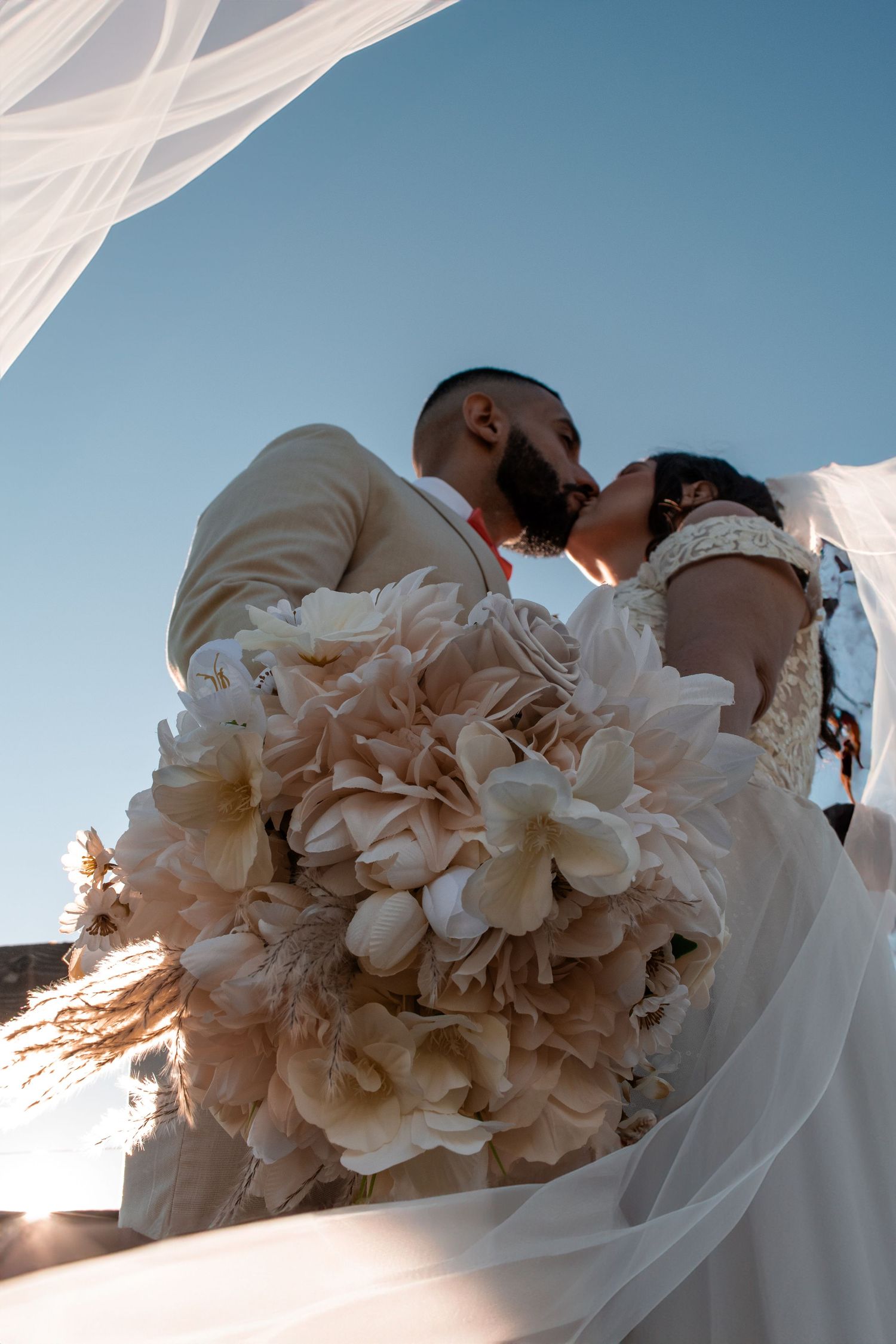
These photographs are often the images couples imagine when they think about wedding photography. The dramatic veil photos, quiet forehead touches, candid laughter, romantic portraits at sunset, and the moments that feel deeply personal to your story.
And practically speaking, these are also often the photographs that end up framed on walls, printed in albums, shared for anniversaries, and passed down over time.
This is one of the reasons couple portraits often take priority when timelines become tight.
While family photographs and wedding party portraits absolutely matter, it is important to remember that you likely invested significant time, money, and intention into this day, from your dress and florals to the venue and details that make your wedding uniquely yours. Creating intentional time to document all of it together matters.
For couples not doing a first look, portraits typically happen after the ceremony during cocktail hour alongside family formals and wedding party photos. Because cocktail hour is often around **one hour**, this is where priorities naturally come into play.
If you have a large family list, a large wedding party, or lots of requested combinations, there may simply not be enough time to comfortably fit everything without feeling rushed.
Sometimes that means choosing fewer wedding party poses. Sometimes it means streamlining family groupings. And sometimes it means planning a few extra minutes later in the evening, especially around sunset.
Our recommendation? Prioritize the portraits you will treasure most.
The reality is this: guests will remember the celebration, the food, and the joy of the day. But years from now, your photographs are what remain.
That is why we often encourage couples to intentionally leave space for portraits that feel like *them*, whether that means a quiet ten minutes together after the ceremony or sneaking away for sunset portraits later in the evening.
Trust us when we say, some of the most meaningful images happen when the timeline finally slows down and you get a moment to simply be together.
Reception Timeline: Keeping the Celebration Flowing
After months of planning, the reception is where couples finally get to exhale, celebrate, and spend time with the people they love most.
But while receptions tend to feel more relaxed than the earlier parts of the wedding day, timing still plays a huge role in how smoothly the evening flows.
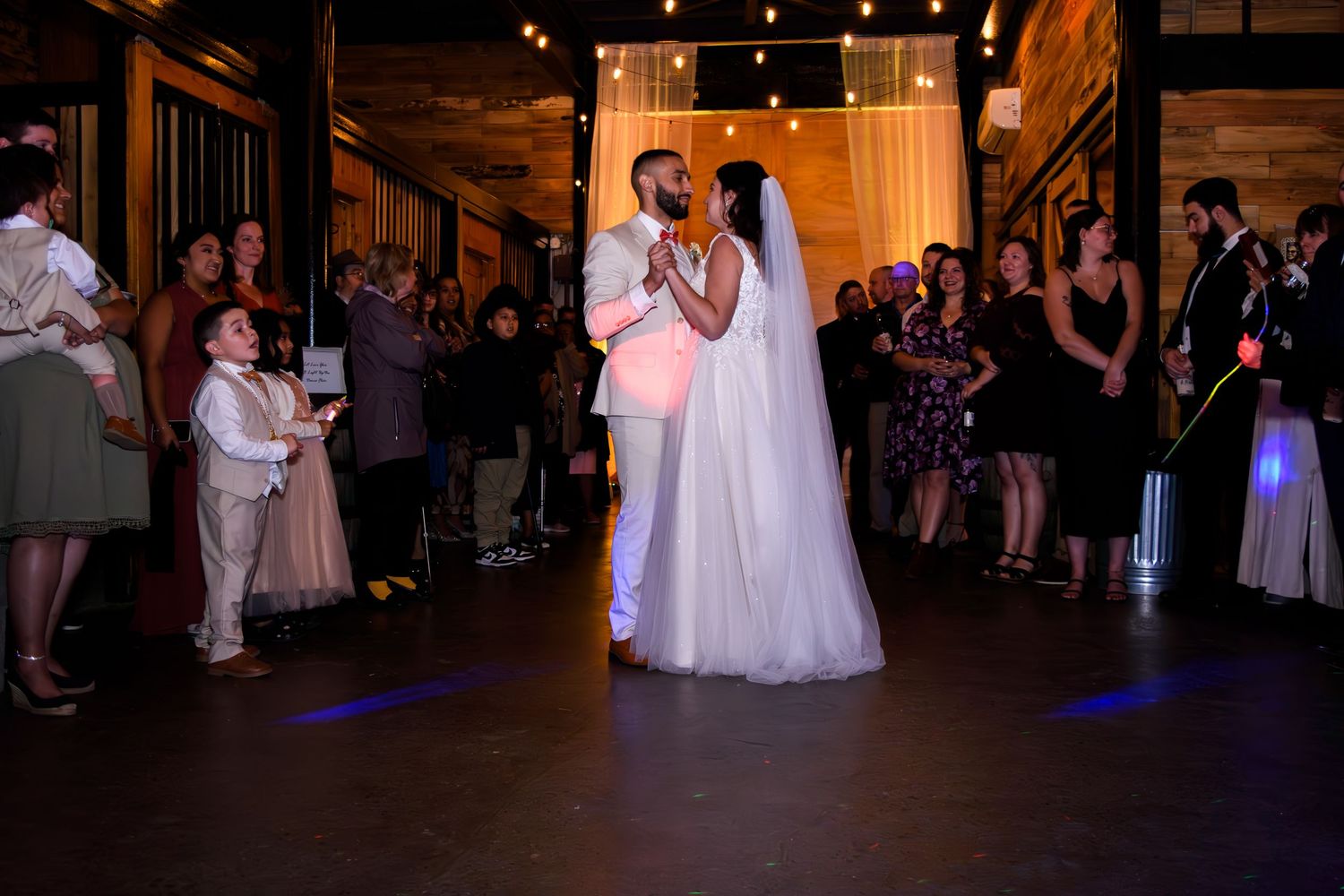
One of the biggest misconceptions couples have is assuming the reception will naturally fall into place on its own. In reality, thoughtful timing helps create a celebration that feels seamless, keeps guests engaged, and allows room for the moments that matter most.
Whether you are dreaming of a packed dance floor, heartfelt speeches, a relaxed dinner, or sneaking away for sunset portraits, a well-planned reception timeline helps make sure nothing feels rushed.
Cocktail Hour: More Than Just Appetizers
**Recommended Time: 60 to 90 Minutes**
Cocktail hour is often doing more work behind the scenes than couples realize.
For guests, cocktail hour is a chance to mingle, enjoy drinks, and settle into the celebration after the ceremony. But for many couples, especially those skipping a first look, cocktail hour is often when family portraits, wedding party photos, and couple portraits are happening.
Because of this, cocktail hour often becomes one of the busiest portions of the day.
A standard **60-minute cocktail hour** works beautifully for many weddings, but couples with larger families, bigger wedding parties, multiple portrait locations, or extensive photo requests may benefit from extending cocktail hour slightly to avoid everything feeling rushed.
This is also a great opportunity to ask yourselves an important question:
**What matters most to us?**
Would you rather spend more time at cocktail hour with guests? Prioritize additional portraits? Have extra time for candid moments together? There is no wrong answer, but understanding your priorities ahead of time helps shape a timeline that feels intentional.
Grand Entrances & First Dances
**Recommended Time: 10 to 20 Minutes**
Once guests are seated for the reception, the celebration usually officially begins with introductions and formal dances.
Grand entrances, first dances, and parent dances often move fairly quickly, but it is still important to allow enough breathing room so these moments do not feel rushed.
Some couples prefer getting formal dances done early in the evening so they can relax and enjoy the rest of the night, while others choose to spread them out between dinner and dancing.
The best timeline is usually the one that feels natural to your celebration.
Dinner & Toasts: Give Guests Time to Enjoy the Moment
**Recommended Time: 45 to 90+ Minutes**
Dinner is often one of the longest portions of the reception, and for good reason.
Guests need time to be served, eat, mingle, and settle into the evening. Timing here can vary depending on whether you are having plated meals, buffet service, family-style dining, or multiple courses.
Toasts also naturally influence timing. A few short speeches may only add ten minutes, while multiple heartfelt toasts can easily extend longer, especially if there are several speakers planned.
One of our biggest recommendations? Be intentional about who is giving speeches and roughly how long they should last. While emotional stories are meaningful, a reception timeline tends to flow best when toasts feel heartfelt but not overly lengthy.
Cake Cutting & Open Dancing
**Recommended Time: Flexible**
Cake cutting itself is usually fairly quick, often only taking around **5 to 10 minutes**, but when you choose to schedule it can impact the flow of the evening.
Some couples prefer doing it earlier so older guests can enjoy the moment before leaving, while others save it for later as a natural transition into open dancing.
Once formalities are complete, this is where the celebration usually opens up.
Whether your dream reception looks like a packed dance floor, quiet conversations with family, late-night snacks, or a mix of everything, leaving room for flexibility here helps the evening feel fun instead of overly scheduled.
And if your photographer quietly steals you away for ten minutes at sunset? Trust us, it is almost always worth it
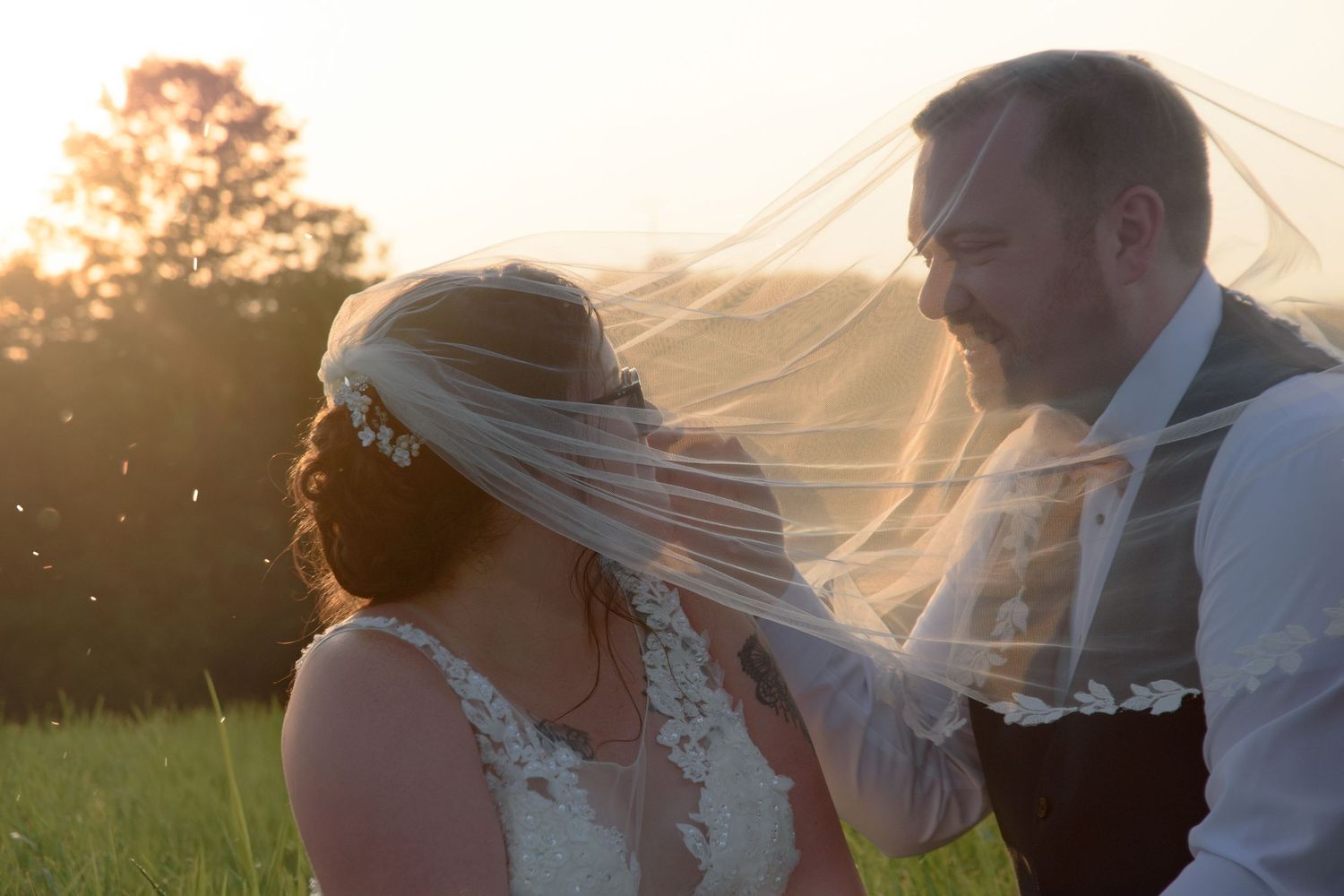
Sunset Portraits: Why We May Gently Steal You Away for Ten Minutes
If your wedding timeline allows for it, sunset portraits are often one of the most magical moments of the entire day.
After the ceremony nerves settle and the reception is in full swing, stepping away for even 10 to 20 minutes can create some of the most romantic and meaningful photographs of the day.
The light during sunset tends to be softer, warmer, and incredibly flattering, especially for couples who love those dramatic, emotional, editorial-style images.
But beyond the photographs, sunset portraits often become a chance to simply pause.
For many couples, this is the first quiet moment they have had together all day. No timelines, no guests asking questions, no pressure. Just a few minutes to breathe, soak it all in, and realize: we actually did it.
Trust us when we say, these little moments often become favorites.
Last Dances: Ending the Night with Intention
Recommended Time: 5 to 10 Minutes
Last dances have become increasingly popular for couples wanting a meaningful way to close out the evening.
Some couples choose a private last dance after guests have exited, creating one final quiet moment together before the celebration officially ends. Others prefer keeping everyone on the dance floor for one final high-energy song that leaves the night feeling unforgettable.
There is no wrong way to do it, but if this is something important to you, we always recommend intentionally building it into the timeline instead of hoping it happens naturally at the end of the night.
Wedding days move fast, and having a planned ending helps ensure the night finishes feeling intentional rather than rushed.
Wedding Exits: More Time Than Couples Expect
Recommended Time: 10 to 20 Minutes
Whether you are planning a sparkler exit, bubbles, glow sticks, flower petals, vintage car departure, or simply a joyful sendoff surrounded by loved ones, exits often take a little more coordination than couples initially expect.
Guests need time to gather, items need to be distributed, lighting often needs adjustment, and everyone usually benefits from a little direction so the moment feels smooth instead of chaotic.
For sparkler exits especially, we typically recommend planning for a little extra time to safely light sparklers and get everyone organized before the big moment.
One important thing to remember: your photographer cannot photograph an exit they are not present for.
If a grand exit is important to you, make sure it happens during your photography coverage window or talk with your photographer ahead of time about timing options. Sometimes couples choose a staged exit earlier in the evening so they can still capture the moment without needing extended coverage.
Bringing It All Together: A Timeline That Lets You Actually Enjoy Your Wedding Day
At the end of the day, the best wedding timeline is not the most packed schedule or the most perfectly planned spreadsheet.
It is the timeline that gives you room to breathe.
The one that protects the moments that matter. The quiet excitement while getting ready. The happy tears during the ceremony. The laughter with your wedding party. The hugs from family. The portraits you will frame on your walls for years to come.
Wedding days move fast. Faster than most couples expect.
But with thoughtful planning, realistic timing, and a little breathing room built in, your day can feel joyful, relaxed, and truly present instead of rushed.
And if building a timeline feels overwhelming? That is exactly why we are here.
At CNY Photographs, we help every couple create a timeline that protects the moments most important to them, while still leaving room to actually enjoy the celebration.
Because beautiful photographs start with a wedding day that feels just as beautiful to experience.